
B2B Graphic Design
You can have the right strategy and still lose the room. When design drifts, so does the message. Great B2B graphic design turns strategy into visual communication that helps audiences understand, trust and act.
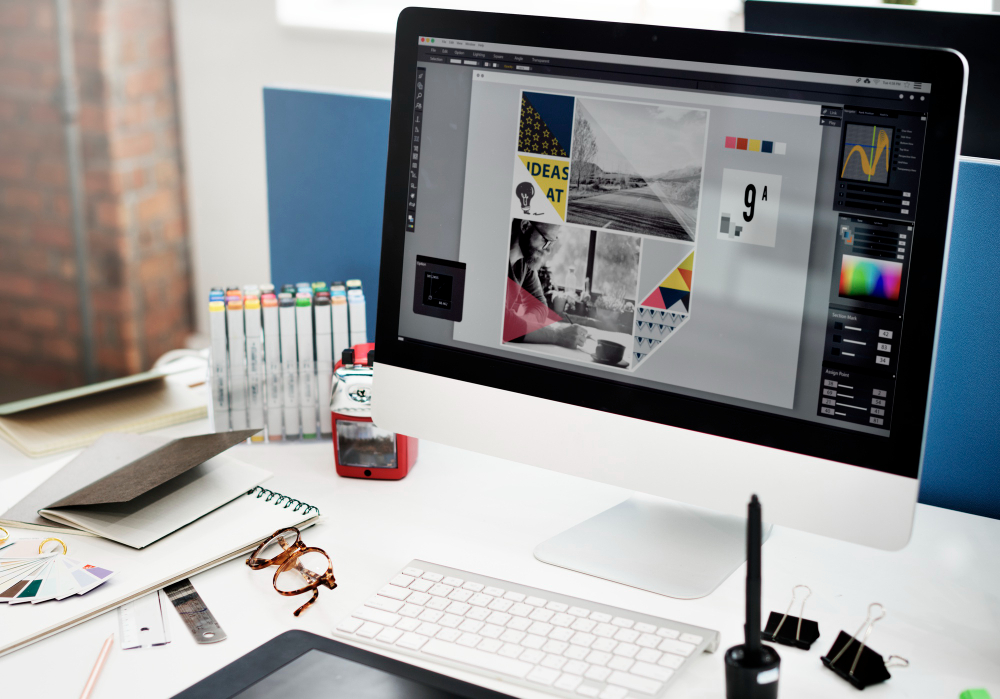
When every visual tells a story
You have a strategy. You have messaging. But bringing those ideas to life across dozens of teams, campaigns and touchpoints is another challenge entirely.
Marketing leaders are often balancing launches, executive requests, sales needs and ongoing campaigns, all while working with limited internal creative resources. As priorities shift, design requests pile up. Different teams create their own materials. Visual standards drift. Buyers encounter inconsistent experiences across presentations, campaigns, events and sales conversations.
The consequences extend well beyond aesthetics.
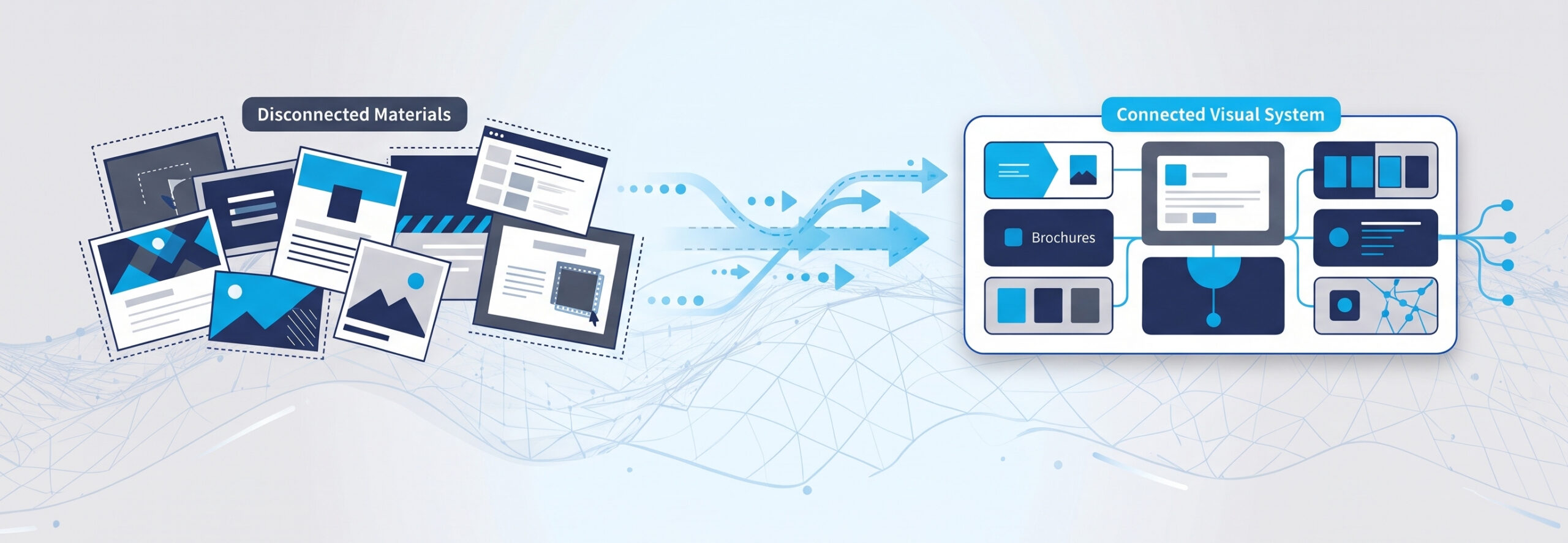
Inconsistent design creates uncertainty and erodes trust, instead of reinforcing marketing position. Internal teams spend more time recreating assets, not executing strategy. Sales conversations become less effective because every presentation tells a slightly different story. Leadership loses valuable time reviewing work that should already be aligned.
Graphic design should make execution easier, not introduce more decisions.
Use design for operational advantage
Strong B2B graphic design does more than produce polished assets. It creates systems that help you communicate consistently, execute faster and support better business decisions.
When visual communication is built with purpose:
- Messaging stays consistent.
- Marketing launches move forward without stalling on creative.
- Sales teams present a unified story, from start to finish.
- Technical information becomes easier for decision-makers to understand.
- Internal stakeholders spend less time reviewing and correcting materials.
- Creative work becomes reusable instead of constantly starting over.
Creative systems built for how B2B organizations work

Shape the narrative
Every design decision should reinforce your message, not compete with it.
- Campaign creative
- Presentation design
- Visual storytelling
- Executive communications
- Marketing collateral
Build visual systems
Consistency comes from repeatable standards that scale across teams, products and markets.
- Brand identity systems
- Design systems
- Templates
- Style guides
- Icon libraries

Support audience conversations
Sales and marketing materials should help buyers understand value faster.
- Sales presentations
- Product sheets
- Case studies
- Infographics
- One-pagers
- Proposal graphics

Simplify technical information
Dense information becomes more useful when organized visually.
- White papers
- Data visualization
- Process diagrams
- Technical illustrations
- Comparison charts

Equip high-stakes moments
Some communications carry greater business impact than others. Those moments deserve thoughtful execution.
- Executive presentations
- Investor materials
- Product launch creative
- Conference materials
- Trade show graphics
What changes once your design system is in place
When graphic design supports the business instead of operating separately from it, brands experience measurable improvements.
 2,000+ projects delivered annually
 4.9/5.0 client satisfaction score*

















Where design supports your business
Graphic design often connects to broader marketing and communication priorities across the organization.
Build a more connected creative system
Graphic design works alongside other capabilities to help organizations create connected, consistent sales and marketing materials.
- PowerPoint Presentations
- Infographic Design
- Brand Enhancements
- Brand Strategy
- Product Launch Design
Design should help your business move faster
Every presentation, campaign, infographic and sales asset represents an opportunity to create deep understanding. When your visual communication aligns, your teams spend less time fixing inconsistencies and more time moving initiatives forward.
Let’s build a creative system that supports your business long after the first project is complete.
Graphic Design FAQs
How do you approach B2B graphic design?
We begin by understanding your business, your audiences and where communication breaks down. From there, we develop visual systems and creative assets that support how your organization actually works. This ensures that every deliverable fits into a larger framework, rather than being a one-off project.
What is a B2B graphic designer?
A B2B graphic designer creates visual communication that helps organizations explain products, services and ideas to other businesses. Unlike consumer-focused design, B2B graphic design often supports longer buying cycles, technical information, executive communication and sales enablement.
How do I know which graphic design services my B2B team actually needs?
The right services depend on where communication is creating friction. Some organizations need scalable design systems and templates. Others need stronger sales presentations, product marketing assets or executive communications. We begin by identifying where visual communication is slowing progress before recommending solutions.
Can graphic design enhance B2B brand identity?
Yes. A high-quality visual identity helps your organization present itself consistently across every interaction. More importantly, it gives internal teams a shared system for creating materials that reinforce how your B2B company is known rather than introducing competing visual approaches.
Can graphic design improve B2B sales presentations?
Absolutely. Sales presentations are often one of the most important moments in the buyer journey. Thoughtful visual elements help organize information, reinforce a strong brand image and make complex information easier to understand, allowing sales teams to focus on the conversation instead of explaining confusing visuals.
*Survey conducted by independent consultant